Virtual Workshops by Avi Staiman
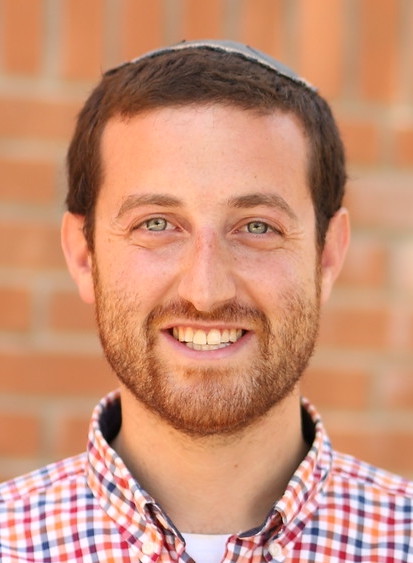 Avi Staiman is the founder and CEO of Academic Language Experts, a company dedicated to assisting academic scholars to prepare their research for publication and bring it to the world. He also is the co-host of the New Books Network 'Scholarly Communication' Podcast. Avi has been a guest lecturer at NYU's Master's Program in Translation & Interpreting, The University of Tokyo, and Bar Ilan University and he is a reviewer for Wiley's Learned Publishing journal. His essays have appeared in the Cambridge University Press Blog, Scholarly Kitchen, Multilingual, and Times Higher Education. Avi Staiman is the founder and CEO of Academic Language Experts, a company dedicated to assisting academic scholars to prepare their research for publication and bring it to the world. He also is the co-host of the New Books Network 'Scholarly Communication' Podcast. Avi has been a guest lecturer at NYU's Master's Program in Translation & Interpreting, The University of Tokyo, and Bar Ilan University and he is a reviewer for Wiley's Learned Publishing journal. His essays have appeared in the Cambridge University Press Blog, Scholarly Kitchen, Multilingual, and Times Higher Education.
You can select from the following virtual workshops:
His two-hour virtual workshops delivered via Zoom include up to 150 TAA memberships that provide your faculty with access to TAA's extensive writing and publishing resources.These memberships are available to faculty whether or not they participate in the virtual event.
TAA manages event registration, providing you with a registration link to share with your faculty, and workshop participation information in their confirmation emails. E-mail templates are provided to host institutions to promote the event. Institutions must have an expectation of at least 15 participants per workshop or retreat.
Institution Fee: $1,000
To schedule a workshop, please contact [email protected]
Choose from eight workshops:
This hands-on workshop is intended to understand and master the transformative power of artificial intelligence (AI) in research. This session delves into the top AI tools available to researchers (including Scite, Elicit, SciScholar and more) and highlights practical use cases demonstrating how these tools enhance efficiency, accuracy, and novelty in research. It covers topics like AI-assisted data analysis, simplified literature review, predictive modeling, and more. Attendees will gain a comprehensive understanding of the AI landscape in research, including how to select and leverage the right AI tools to augment their research processes and outcomes. This lecture is a must for forward-thinking researchers looking to stay at the forefront of their fields.
"Our faculty appreciated the presentation of so many resources of AI tools. They are moving forward with their use of AI and are no longer ‘fearing’ it. Thanks very much." Audrey Dentith, PhD, Director of the Center for Teaching Excellence, Professor, Dept of Leadership Studies and Adult Education, North Carolina A&T State University
This hands-on workshop equips researchers with the knowledge and tools to create a shortlist of the most suitable journals for their work, taking into account the most important publishing criteria including ensuring subject area fit, optimizing for impact factor, and checking for acceptance percentage. The session will provide real-world tools to evaluate journals, elucidate the role of these metrics in the publication process, and explain how to leverage them to increase your chances of acceptance. Attendees will leave with a customized shortlist of journals for their own research.
This instructive workshop is designed for EAL (English as an Additional Language) scholars to effectively translate their research work into English. This session elucidates the essential steps involved in the translation process, highlighting how to maintain the integrity and context of your original research while ensuring linguistic accuracy and cultural appropriateness in the target text. You will learn best practices for choosing a professional translator and how to find the best translator for your research. Attendees will gain practical insights into leveraging professional translation services, all aimed at enhancing their ability to communicate your research findings to a global audience in a clear, concise, and impactful manner. We will also discuss how to procure funding for translation and editing services.
This workshop is aimed at helping researchers navigate the peer review process effectively. This session provides an in-depth understanding of how to interpret and respond to reviewer feedback, maintaining a balance between defending your work and addressing valid criticisms. The lecture demystifies the often complex and nuanced comments from reviewers and offers practical advice on formulating a respectful and persuasive response that shows thoughtful consideration and revision. Attendees will learn how to use feedback constructively to refine their research, ensuring a stronger resubmission and a greater likelihood of acceptance. This session is a must for any researcher looking to improve their chances of publication success.
Responsible AI Use for Research
This interactive workshop explores how researchers can make informed decisions about when and how to use AI in their work. Through practical examples and discussion of common dilemmas, participants will examine issues including accuracy, bias, privacy, authorship, plagiarism, and disclosure. The session introduces strategies for checking AI-generated content, protecting sensitive research information, and navigating journal and institutional policies. Participants will practice evaluating research scenarios and identifying appropriate boundaries for AI assistance. They will leave with a practical framework for integrating AI into their workflows while maintaining transparency, accountability, and independent scholarly judgment.
AI for Literature Review
This hands-on workshop introduces practical ways to use AI to support literature discovery and review. Through guided demonstrations and exercises with tools such as Consensus and Undermind, participants will explore how to frame search questions, identify relevant studies, and investigate connections across the literature. The session also addresses how to assess relevance, verify summaries against original sources, and recognize gaps in AI-assisted searches. Participants will practice applying these approaches to a research topic and leave with strategies for incorporating AI into a transparent, critical review process, including an understanding of its limitations for comprehensive and systematic reviews.
Create Your Own Customized Research Tool with AI
This hands-on workshop introduces researchers to building a simple, customized AI assistant without programming experience. Participants will identify a recurring research task—such as providing structured feedback on abstracts, checking a draft against reporting guidelines, or adapting research summaries for different audiences—and develop an initial prototype using an accessible AI platform. The session covers defining the task, writing clear instructions, adding appropriate reference materials, and testing outputs against expectations. Participants will leave with a working first version or structured prototype, depending on platform access, and a practical approach to refining it, protecting sensitive information, and deciding where human review is essential.
Introduction to AI for Research
This hands-on workshop provides an accessible introduction to generative AI and its potential uses in everyday research. Through guided demonstrations and short exercises, participants will explore how tools such as ChatGPT can support brainstorming, refining research questions, and improving academic writing. The session introduces effective prompting, strategies for choosing tools for specific tasks, and methods for critically evaluating AI-generated responses. It also highlights key considerations around accuracy, privacy, and responsible use. Participants will leave with a foundational understanding of what these tools can and cannot do, alongside practical techniques they can begin applying to their own research workflows.
|